
Falls nobody sees
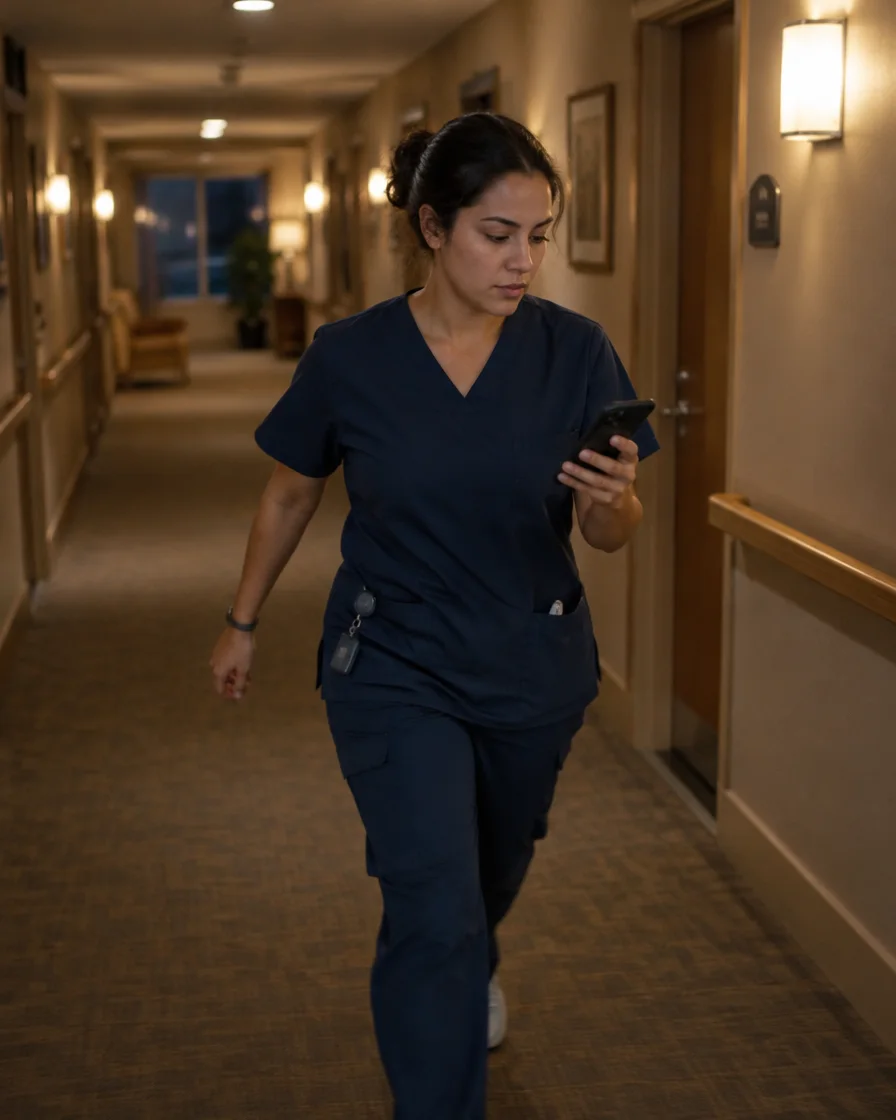
At night a few aides cover many rooms. A resident who falls between rounds can lie on the floor until someone walks by.
The CareHalo360 Halo looks after each resident room, day and night. When someone falls, the staff on shift get a phone call, a text and a notification within seconds. It never records video.

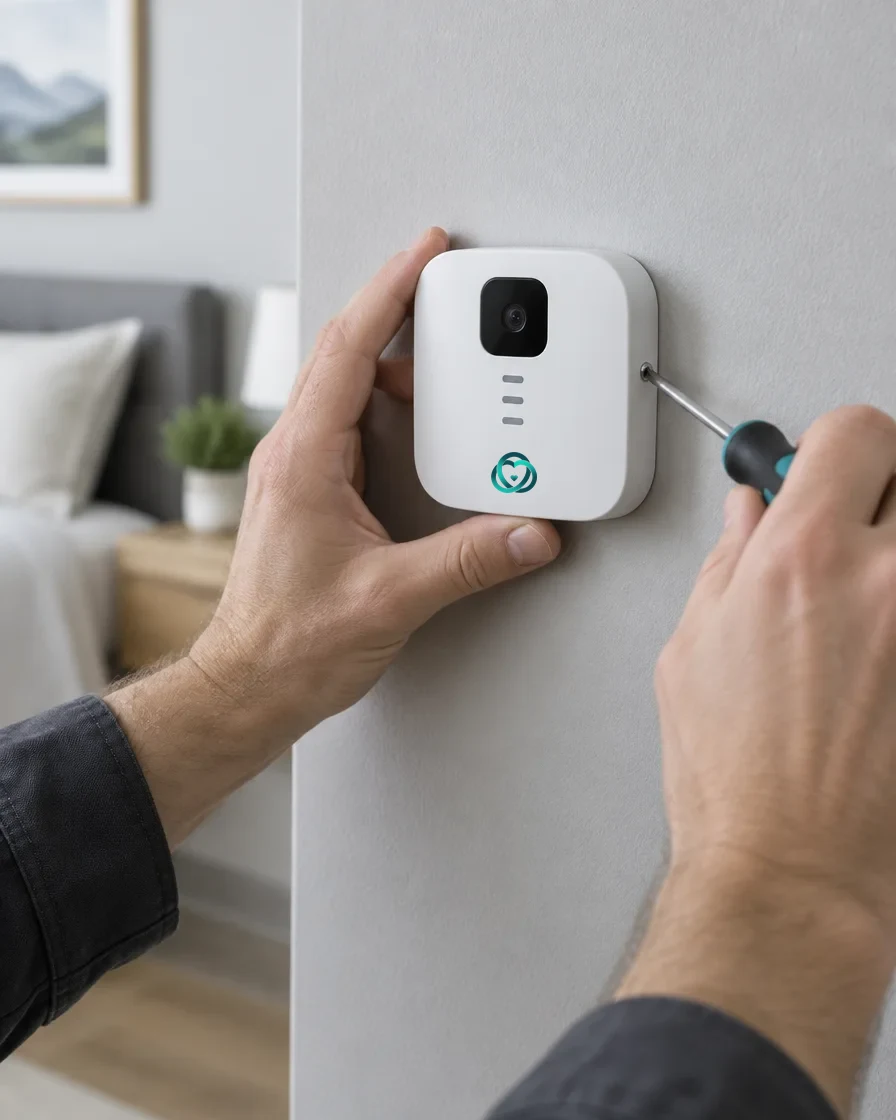
One CareHalo360 Halo goes in each resident room. When a resident falls, the staff on that room's list get a call, a text and an app alert within seconds, with a blurred snapshot to judge how serious it is. Whoever presses 1 takes the call, and every fall is logged for incident reports. $69 per room per month.
CareHalo360 was built for these three.
At night a few aides cover many rooms. A resident who falls between rounds can lie on the floor until someone walks by.
When a family asks what happened and how fast someone got there, “we found her on the next round” is a hard thing to say.
Bed and chair alarms go off every time a resident shifts. After enough of them, nobody runs anymore.
From the moment a resident falls to the moment help walks in.
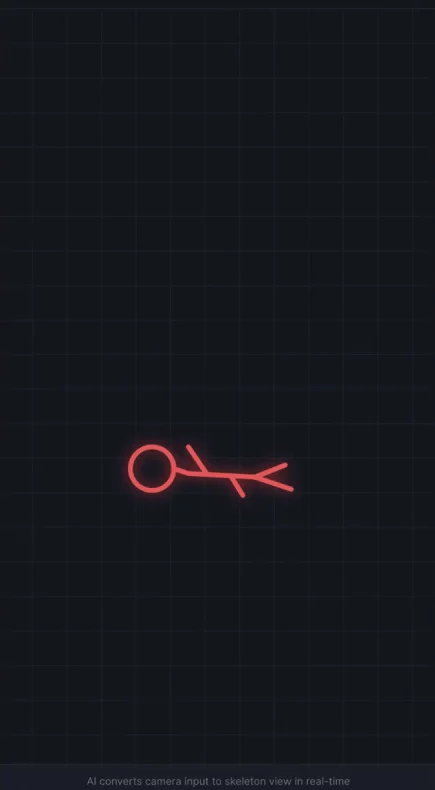
The Halo turns each person into 17 dots on the body, like a stick figure. When those dots go down to the floor and stay there, it knows that is a fall.
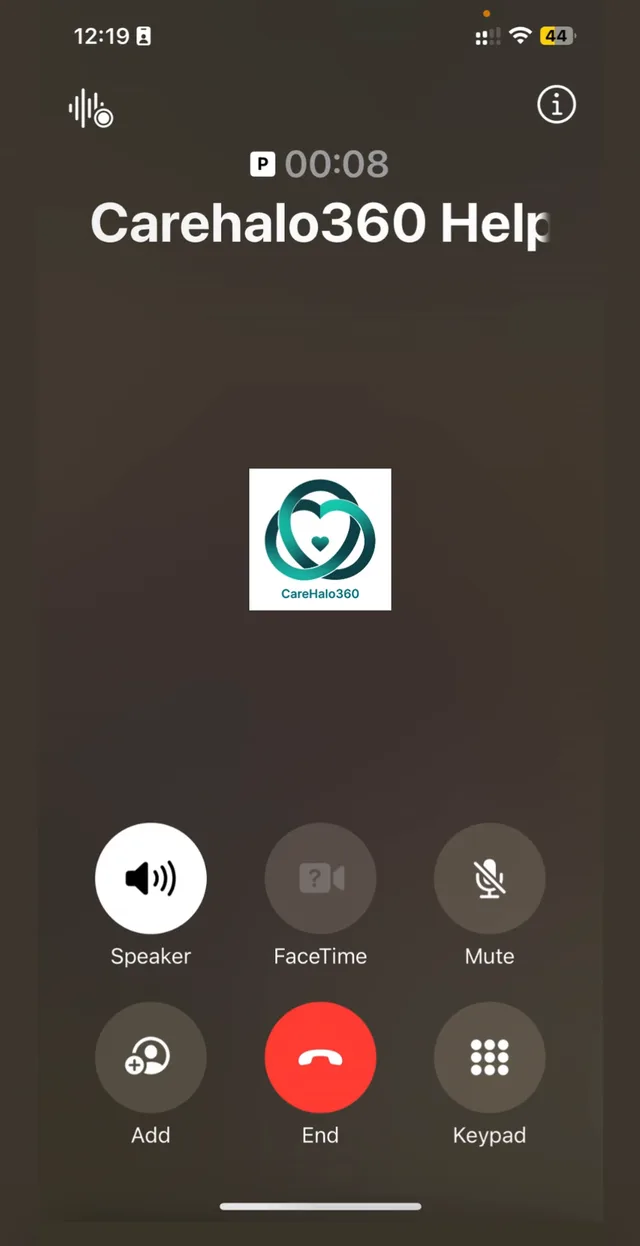
A phone call, a text and a notification go out together, with the room number and a blurred picture taken at the moment of the fall. No answer? It calls the next person.
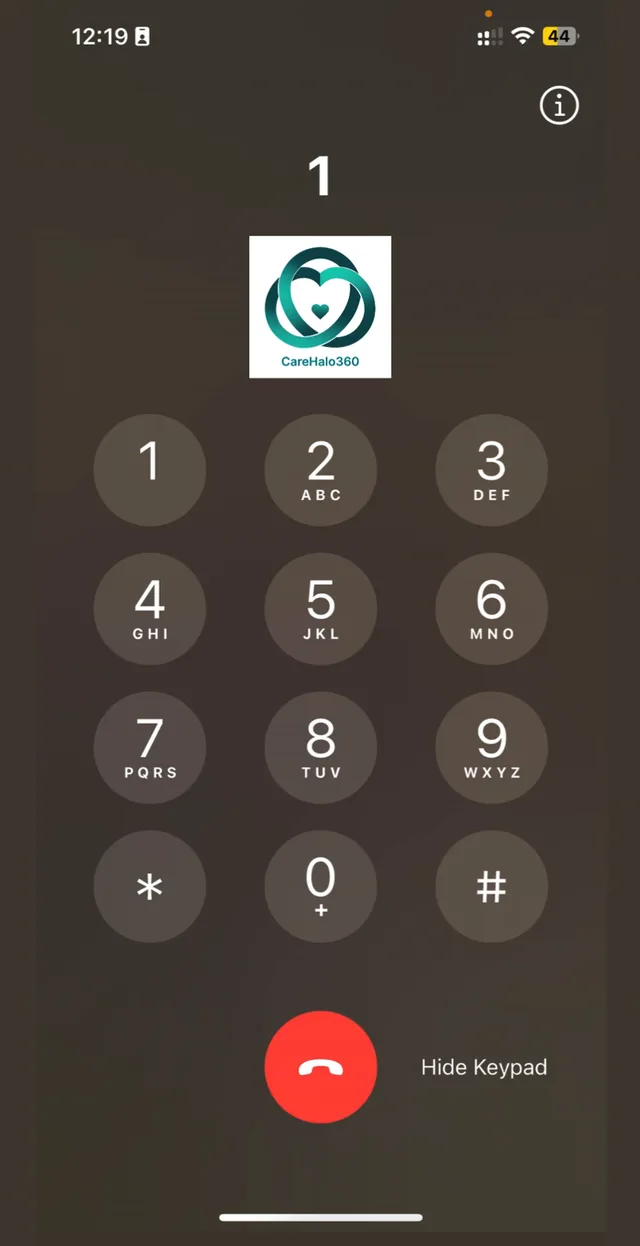
The person who answers presses 1 to say “I’m on it.” The rest of the team can see help is on the way, so nobody doubles up.
No new screens to watch. Your staff use the phones they already carry.
The Halo is a camera, and we say so up front. What matters to residents is what it doesn't do.
How privacy works →Many systems ask for thousands of dollars of equipment before the first room is covered. With CareHalo360 you pay one monthly price per room, and the Halo is included.
Per room
$69/ month
$1,104 per month · $0 up front
Start with one wing and add rooms anytime.
You choose. In a community, alerts go to the staff on shift and to family members the resident approves. At home, they go to the family members you add. If the first person does not answer, the Halo calls the next one. Anyone can stop getting alerts at any time.
No. The Halo is a camera, but it never records or sends video. It does its thinking right there on the wall. Only at the moment of a fall does it take a blurred picture and send it with the alert. Those pictures are deleted from our server after 2 days, and you can turn them off completely in settings.
The Halo turns the person in the room into 17 dots on the body, like a stick figure. When those dots go down to the floor and stay there, it recognizes a fall and calls your team right away.
No. Everyday movement like walking, sitting or getting into bed does not send anything. You hear from the Halo when someone falls.
Book a demo. We visit, walk your rooms, agree who gets called for each room, then install every Halo and show your staff what to do. There is nothing to pay up front.
No. CareHalo360 calls the people you choose. A person always decides what happens next.
No. CareHalo360 is not a medical device and does not diagnose or treat anything. It lets people know when a fall happens so help arrives sooner.
We'll walk your rooms and show your team exactly what happens when a resident falls.